


## Congress Avoids Shutdown with Last-Minute Spending Bill, Offering Glimpse into Trump’s Potential Second Term
Congress narrowly averted a government shutdown early Saturday morning, passing a stopgap spending bill that will keep the government operational until mid-March. The tumultuous 48 hours leading up to the vote provided a stark preview of the potential challenges and political maneuvering that could characterize President-elect Donald Trump’s second term.
The hastily assembled bill, the third iteration presented this week, is a short-term spending package offering roughly $100 billion in disaster relief. It provides lawmakers crucial breathing room to negotiate the twelve full-year government funding measures. Despite passing the Senate after the midnight shutdown deadline, Deputy White House Press Secretary Emilie Simons assured the public via X that government agencies would maintain normal operations. The House approved the bill 366-34, with one Democrat voting “present,” while the Senate followed suit with an 85-11 vote shortly after midnight. President Biden signed the legislation Saturday morning.
Significantly, the bill omits any provisions addressing the debt ceiling, a key demand from President-elect Trump. This leaves the contentious issue for Congress and the incoming administration to grapple with in the new year, a looming challenge given their unified control of all three branches of government. Other notable features of the 118-page bill include an extension of programs within the five-year farm bill until September—a measure already over a year behind schedule—and the allowance of a cost-of-living salary increase for members of Congress, raising their annual pay from $174,000 to $180,600. A proposal to allow year-round sales of E15 blended gasoline nationwide, favored by corn growers and the biofuels industry, was ultimately excluded.
The White House voiced its support for the bill, with Press Secretary Karine Jean-Pierre highlighting the inclusion of requested disaster relief, the prevention of accelerated tax cuts for billionaires, and the continued operation of vital government services. House Appropriations Chairman Tom Cole (R-Okla.) emphasized the bill’s importance in preventing a shutdown, providing disaster aid, and supporting farmers. However, Rep. Rosa DeLauro (D-Conn.), ranking member on the Appropriations Committee, voiced strong opposition, criticizing the Republican negotiators for abandoning the initial bipartisan agreement reached earlier in the week. She expressed concern over the apparent influence of Elon Musk, a close Trump ally, on the legislative process.
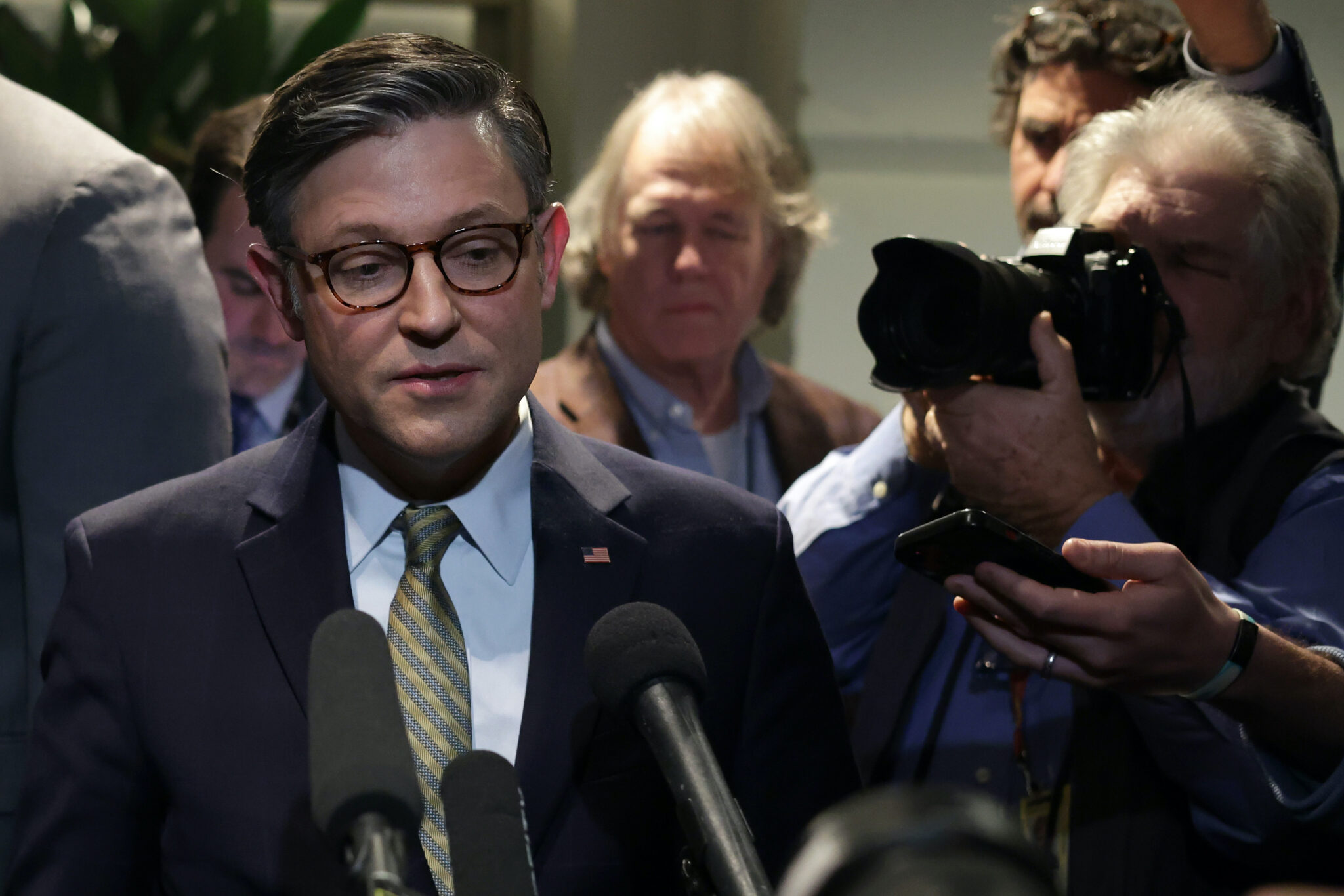
The original bipartisan agreement, which included funding for the government, disaster aid, extensions of agricultural and healthcare programs, and other crucial items, was ultimately derailed by President-elect Trump’s intervention. Trump, along with Musk, opposed certain provisions within the original bill, and Trump insisted on immediate action on the debt limit. An earlier attempt by House Republicans to pass a GOP-only stopgap bill on Thursday night failed, with 38 Republican lawmakers voting against it. Despite initial claims of unity from Speaker Mike Johnson, 34 House Republicans ultimately voted against the final version of the bill, underscoring the internal divisions within the party.
The potential consequences of a government shutdown were significant, including the disruption of essential services and the delayed payment of federal workers and military personnel. President-elect Trump’s social media posts highlighted his desire to shift the responsibility for resolving the situation to President Biden, while simultaneously reiterating his demand for a four-year debt limit suspension or complete elimination of the borrowing ceiling. The final passage of the stopgap measure averted this immediate crisis, but the unresolved debt ceiling and the intense political maneuvering point to a potentially turbulent period ahead.